Understanding Electrical Installations
Electrical installations form the backbone of modern infrastructure, encompassing the design, execution, and maintenance of electrical systems. These systems range from simple household setups to complex industrial circuits. Adhering to safety regulations, efficient design, and reliable components is essential to ensure functionality and safety.
The Importance of Electrical Installations
The foundation of our increasingly connected world lies in the often unseen electrical installations that power homes, businesses, and industries. Understanding the role and intricacies of these systems is crucial for maximizing safety and efficiency. This article delves into the complexity of electrical installations, examining their various components, standards, and best practices. In this rapidly evolving technological landscape, understanding electrical installations also means recognizing their contributions to sustainable practices, energy efficiency, and modern advancements, such as smart grid technology.
Key Components of Electrical Installations
An electrical installation includes a range of components, each playing a vital role in ensuring the system operates safely and efficiently. Here are some of the critical elements:
- Circuit Breakers: Protect electrical circuits from damage due to overload or short circuits by interrupting the current flow. They are essential in preventing electrical fires and equipment damage by acting as the first line of defense against electrical faults.
- Wiring: Conducts electricity through buildings and must be of appropriate size and type for the application. Wiring must be selected based on the anticipated load and environmental conditions (such as moisture or temperature extremes) to prevent deterioration over time.
- Switches and Outlets: Control the flow of electricity to appliances and fixtures while providing access points for connection. The choice of switches and outlets can enhance both functionality and user experience, with options including smart switches that provide remote control capabilities.
- Distribution Boards: Also known as breaker panels, they distribute electricity to different circuits in a building. A well-designed distribution board ensures that each circuit has sufficient capacity while allowing for easy identification of breakers and circuit-related issues.
- Transformers: Adjust voltage levels to meet the needs of various equipment while facilitating the transmission of electricity over long distances with minimal loss. Transformer selection is crucial to energy efficiency and optimizing performance in both commercial and residential installations.
- Grounding Systems: Provide a pathway for electrical current to return to the ground, helping to prevent electric shock and protecting equipment from lightning strikes. Proper grounding is a critical safety measure that must adhere to local and international guidelines.
Regulatory Standards and Safety Protocols
Adhering to international and local standards is mandatory to ensure the safety and reliability of electrical installations. Bodies such as the International Electrotechnical Commission (IEC) and the National Electrical Code (NEC) provide comprehensive guidelines that help standardize practices within the industry. Compliance with these regulations enhances safety and assures that installations are designed with the latest technology and best practices.
| Standard | Description | Applicability |
|---|---|---|
| IEC 60364 | Covers electrical installations of buildings, ensuring safety and efficiency through set design rules, protective measures, and operational requirements. | Global |
| NEC | Standard for the safe installation of electrical wiring and equipment in the United States, ensuring minimum safety provisions for protecting persons and property. | USA |
Additional regulations, such as the Occupational Safety and Health Administration (OSHA) guidelines, further reinforce safety standards in various operational environments. By following these protocols, electricians and contractors can mitigate risks associated with electrical failures, ensuring not only compliance but also the protection of individuals and assets.
Choosing the Right Supplier for Electrical Components
Selecting reliable suppliers is essential to maintain the integrity of an electrical system. It's important to consider factors such as product quality, adherence to standards, and post-installation support. Reputable suppliers provide products that meet or exceed global standards, ensuring long-term reliability. This selection process can be enhanced by evaluating suppliers based on the following criteria:
- Reputation: Research the supplier's history, identify customer reviews, and analyze their service reliability. Established suppliers with positive feedback tend to deliver higher-quality products.
- Product Range: A supplier offering a comprehensive range of electrical components allows for better compatibility and fewer supply chain complications.
- Customization Options: Many projects may require tailored components; suppliers who provide customization are preferable.
- Post-sale Support: Providers who offer training, warranties, and efficient customer service can significantly impact the sustainability of the installation.
- Innovation: Suppliers who stay updated on emerging trends and technologies can provide newer, more efficient products that enhance the installation’s effectiveness and efficiency.
Establishing a strong relationship with suppliers can lead to improved communication, reliable resource availability, and easier access to technical assistance when needed.
Installation Process: A Step-by-Step Guide
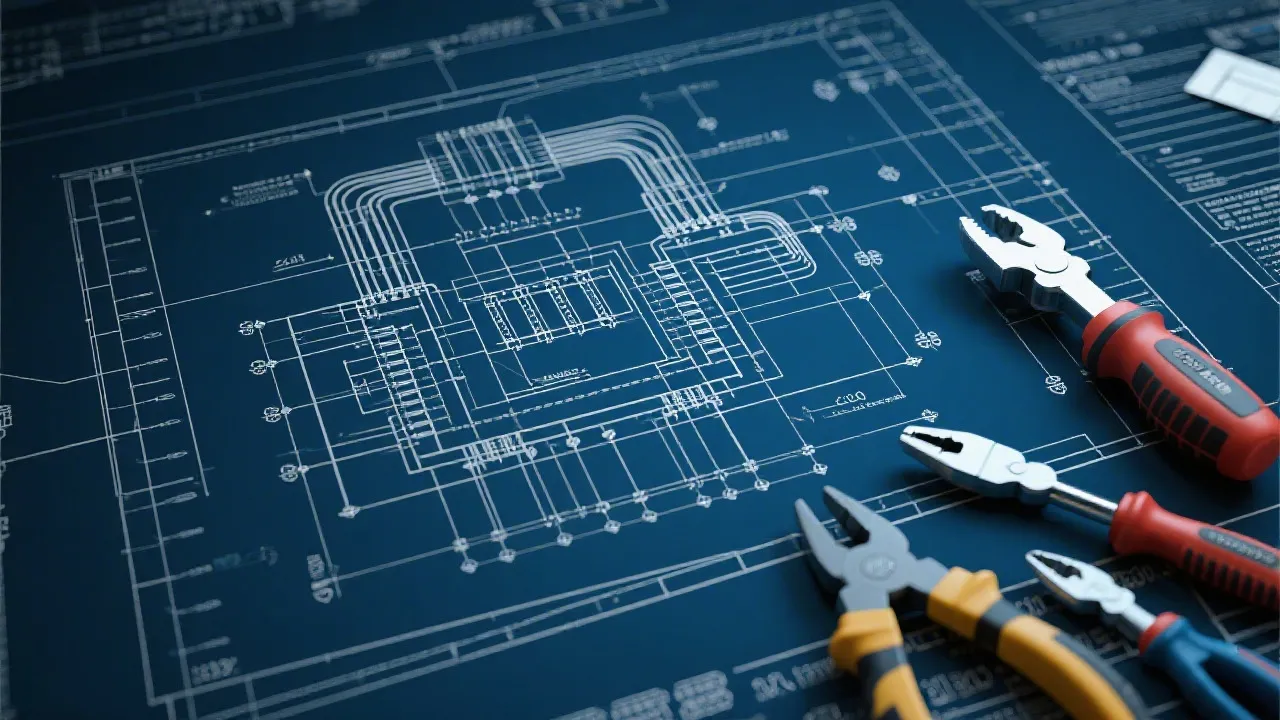
- Design and Planning: Identify electrical needs and develop a schematic plan. This phase should involve collaboration with stakeholders to ascertain precise requirements and future scalability.
- Component Selection: Choose components that meet the system requirements and standards. Base selections on load analysis and expected equipment usage to optimize performance.
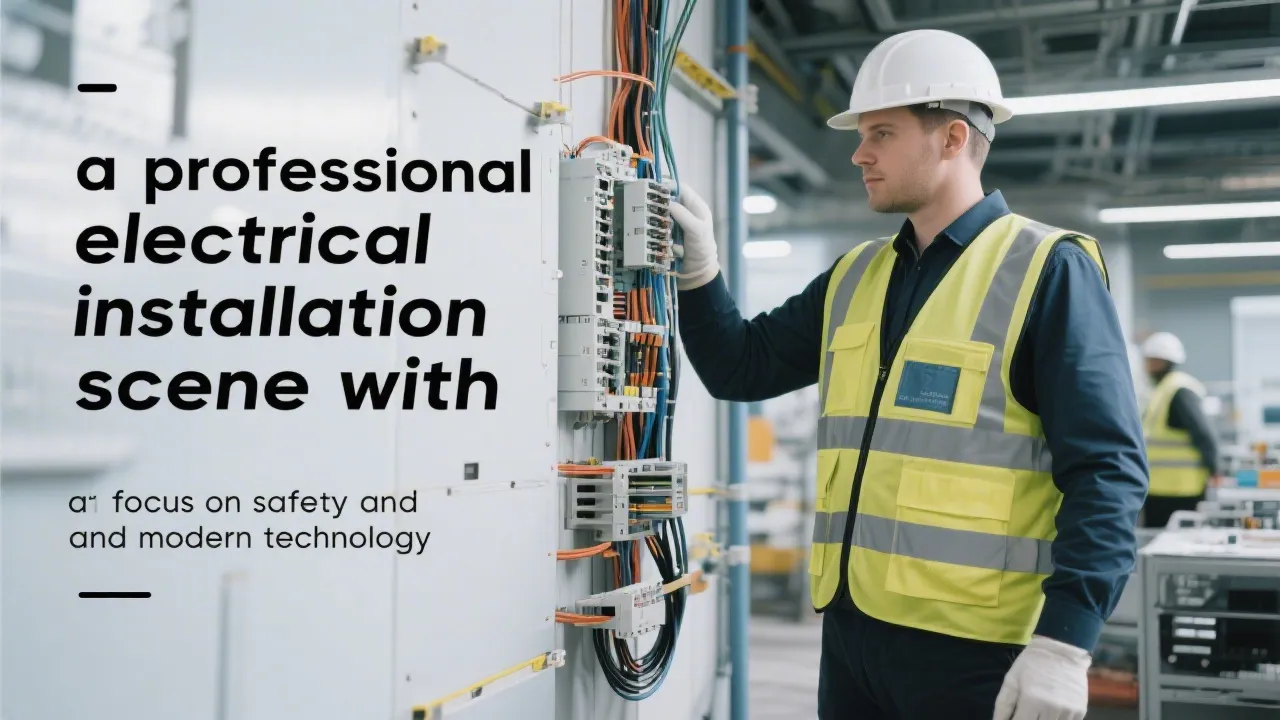
- Wiring and Setup: Install wiring, circuit breakers, switches, and outlets in accordance with the design plan. Ensure that all materials conform to local codes and are appropriate for their designated environments.
- Testing: Conduct thorough testing of the system to ensure safety and functionality. Use tools such as multimeters and infrared cameras to identify potential issues and ensure proper operation before commissioning.
- Documentation: Proper documentation of the installation process provides a record for future reference, including diagrams, permits, and inspection reports to facilitate maintenance and troubleshooting.
- Maintenance: Schedule regular inspections and maintenance to prevent system failures. Maintenance protocols should include checking connections, voltage levels, and circuit integrity to ensure ongoing performance and safety.
Emerging Technologies in Electrical Installations
The landscape of electrical installations is continually evolving due to technological advancements. Smart integration, renewable energy sources, and IoT (Internet of Things) have transformed approaches toward electrical systems. Here are some noteworthy trends shaping the future of electrical installations:
Smart Electrical Systems
Smart electrical systems utilize technology to allow remote control and optimization of energy use. Systems equipped with smart meters and sensors facilitate energy monitoring and management, leading to enhanced efficiency and reduced energy bills. Integration with building management systems can optimize lighting, heating, and appliance use based on occupancy, ultimately lowering energy consumption.
Renewable Energy Integration
Incorporation of renewable energy sources, such as solar panels and wind turbines, has become central to modern electrical installations. Properly designed and installed systems can allow for energy self-sufficiency, reducing dependency on traditional power grids. Battery storage solutions paired with renewable installations make energy available even when generation is low, further increasing system resilience.
Energy Storage Solutions
Energy storage technologies, especially batteries, play a critical role in stabilizing the electrical grid and ensuring a consistent power supply. These systems store excess energy generated during off-peak times and release it during high-demand periods, allowing for smoother energy management and improved reliability.
Building Information Modeling (BIM)
BIM is revolutionizing electrical installations by providing a comprehensive digital representation of the physical and functional characteristics of a facility. BIM streamlines the planning and design phases, facilitates collaboration between various stakeholders, and helps minimize wastes during installations.
FAQs About Electrical Installations
Q: What should be considered when planning an electrical installation?
A: Consider factors such as load requirements, future expansion, adherence to safety standards, and environmental conditions that may impact installation materials. Planning should also involve local utilities and regulations to ensure all legal requirements are met.
Q: How often should an electrical system be inspected?
A: Regular inspections should occur annually or biennially, depending on the usage intensity and system complexity. High-demand commercial systems may require more frequent checks to maintain safety compliance.
Q: What are the consequences of non-compliance with electrical standards?
A: Non-compliance can lead to safety hazards, legal ramifications, and potential system failures. This may result in costly repairs, liability claims, and increased insurance premiums, emphasizing the importance of adherence to regulatory standards.
In conclusion, understanding the intricacies of electrical installations is essential for anyone involved in building, maintaining, or upgrading electrical systems. Ensuring compliance with standards, choosing quality components, and following a structured installation process are key steps in guaranteeing a safe and efficient electrical system. As technology continues to evolve, adapting to new trends and innovations will become increasingly imperative in sustaining the reliability and efficiency of electrical installations for future generations.
The Future of Electrical Installations
The continuous advancements in electrical systems point towards a promising future characterized by enhanced efficiency, sustainability, and safety in electrical installations. The following sections discuss anticipated developments that may shape the industry further:
Increased Focus on Sustainability
As global awareness of climate change increases, there is a notable shift towards sustainable building practices. Electrical installations will increasingly focus on reducing carbon footprints through energy-efficient appliances, intelligent systems that optimize energy consumption, and renewable energy integration. The future may see mandates for all new buildings to be designed with sustainability at their core, promoting minimal energy consumption and maximum resource efficiency.
Integration of Artificial Intelligence (AI)
AI is poised to revolutionize electrical installations through predictive analytics and real-time monitoring capabilities. Intelligent systems can anticipate electrical load demands, adjust settings automatically, and recommend maintenance before issues arise. This breakthrough can lead to substantial cost savings by avoiding downtime and extending the lifespan of electrical components.
Cybersecurity Measures
As electrical installations become increasingly interconnected, cybersecurity will be integral to protecting systems from malicious attacks. Standards and best practices will need to evolve, incorporating rigorous security protocols to safeguard sensitive data and ensure the continuous operation of smart electrical grids.
Enhanced Training and Certification Programs
The electrical installation industry will necessitate ongoing education and training to keep pace with technological advancements and changing regulations. Enhanced training programs focusing on emerging technologies, sustainability practices, and safety standards will ensure that professionals are well-equipped for modern demands, fostering a skilled workforce capable of addressing the challenges of tomorrow's electrical systems.
The electrical installations of the future are not just about powering systems but creating adaptable, resilient, and intelligent infrastructures. These innovations will ensure safer, more efficient, and environmentally friendly solutions that align with global efforts towards sustainability and technological progress.